Nasya Treatment in Ayurveda: The Ultimate Sinus & Respiratory Cleanse | Ayurhitam

  • Home
  • Organic Oil
  • Nasya Treatment in Ayurveda: The Ultimate Sinus & Respiratory Cleanse | Ayurhitam

What is Nasya Treatment?

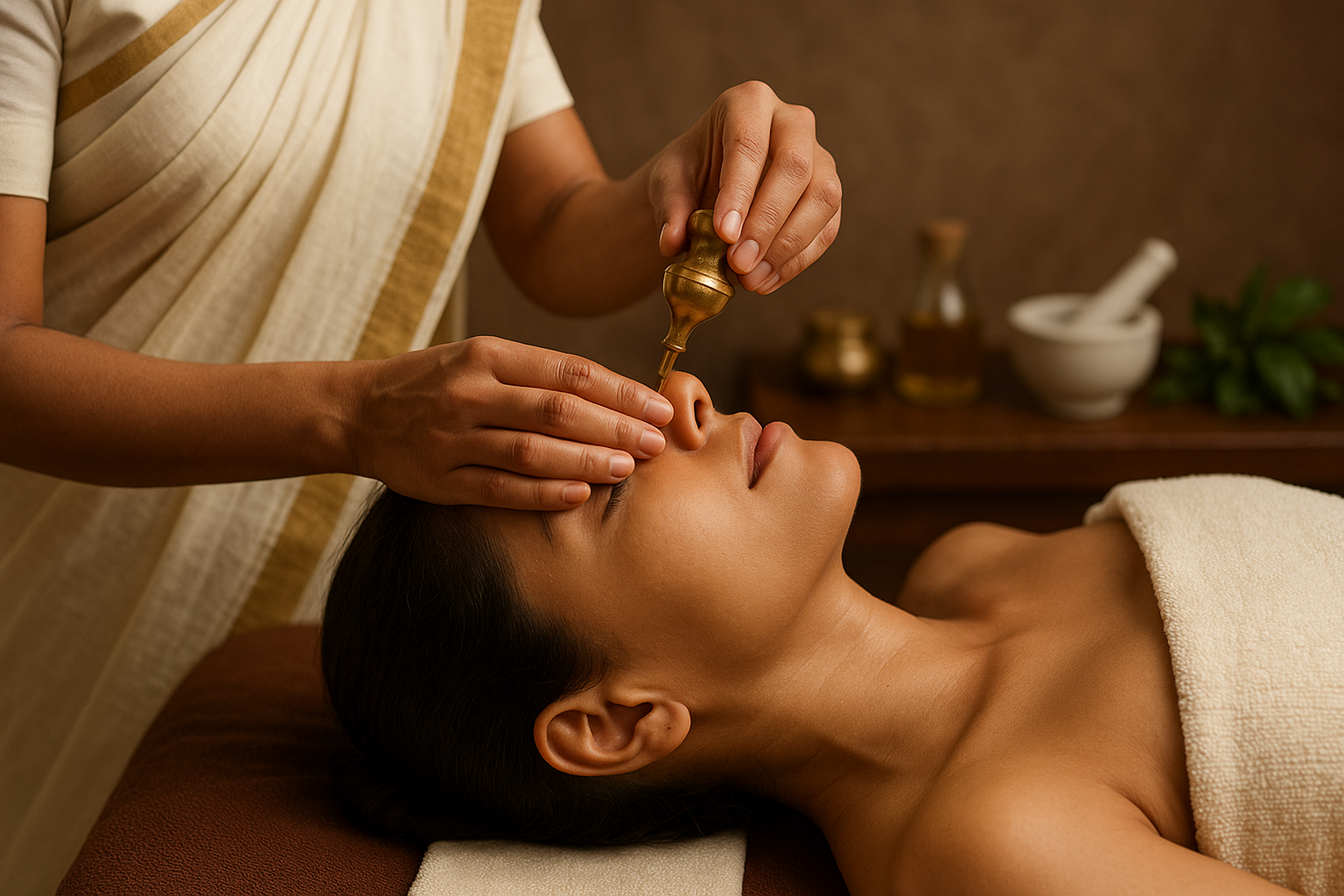
Nasya treatment in Ayurveda—frequently referred to as nasal treatment in Ayurveda or nose therapy in Ayurveda—serves as a keystone among Panchakarma therapies. Unlike topical or internal medicines that work systemically or superficially, Nasya targets the Uttamanga (head and neck region) directly by introducing therapeutic herbal oils into the nasal passages. This method achieves:

  • Deep sinus cleansing, dissolving mucus and toxins.
  • Lubrication of dry mucosa, preventing crusting and irritation.
  • Direct neural impact, modulating mood, memory, and stress.

In urban environments plagued by pollution and screen fatigue, nasya treatment in Ayurveda offers a scientifically plausible route for rapid absorption of phytochemicals into the bloodstream and cerebrospinal fluid via the rich capillary and olfactory networks. By harmonizing Vata and Kapha doshas, it alleviates headaches, sinusitis, and emotional imbalances more holistically than isolated symptom-based approaches.

Origins & Meaning in Ayurvedic Tradition

The Sanskrit word “Nasya” originates from “Nasa” (nose), underlining its identity as a nasal therapy. Classical texts like the Charaka Samhita (Chikitsa Sthana, Chapter 26) and Sushruta Samhita (Sharira Sthana, Chapter 17) describe Nasya as one of the five principal Panchakarma modalities, meant to eliminate “doshas” (toxins) from the head and neck.

  • Shiras (Head) & Shiro Srotas (Cranial Channels): Ayurvedic anatomy recognizes subtle pathways that carry prana (vital energy) and ojas (vital essence) to the brain and sense organs.
  • Prana Vata Balance: Nasya regulates the sub-dosha Prana Vata, responsible for inhalation, sensory perception, speech, and cognition.
  • Historical Use: Traditionally prescribed for insomnia, dementia, chronic sinusitis, and psychosomatic disorders, Nasya was also integrated into daily routines as Pratimarsha Nasya for preventive health.

This deep historical lineage and continued practice ensure that nasal treatment in Ayurveda remains both culturally resonant and clinically relevant.

Alternate Names for Nasya Therapy

To optimize internal linking and user discovery, recognize the various terms for nose therapy in Ayurveda and related practices:

  • Nasal Treatment in Ayurveda
  • Nose Therapy in Ayurveda
  • Nasika Chikitsa (Sanskrit for nasal therapy)
  • Nasya Karma
  • Pratimarsha Nasya (Maintenance Nasya)
  • Marsha Nasya (Intensive Nasya)
  • Shirovirechana (Head Purification via Nasya)

Each term may appear in regional dialects or specialized texts; weaving them into your content ensures comprehensive SEO coverage and intuitive internal navigation.

How Nasya Treatment Works – Ayurvedic Mechanism

Nasya’s efficacy arises from a convergence of phytochemistry, pharmacokinetics, and subtle-energy modulation:

  1. Dosha Harmonization
    • Kapha Dosha: Formulations like Shadbindu Tailam break down heavy mucus, easing congestion.
    • Vata Dosha: Oils such as Ksheerabala Tailam counteract dryness and neural irritation.
  2. Pranic Channel Activation
    • Oils traverse the Shiro Srotas, enhancing Prana Vata, supporting respiration, speech, and cognitive clarity.
  3. Neuromodulation & Limbic Stimulation
    • Olfactory receptor engagement transmits signals to the amygdala and hippocampus, regulating stress hormones (cortisol), stabilizing mood, and improving memory consolidation.
  4. Mucolytic & Detox Action
    • Herbal lipids emulsify Ama, facilitating its expulsion via mucociliary clearance and gentle nose-blowing.
  5. Tissue Nourishment & Repair
    • Lipid-bound phytochemicals penetrate mucosal and neural tissues, promoting cellular repair, hydration, and resilience.
      These processes work in harmony to deliver the widespread benefits of nasal treatment in Ayurveda—often unattainable by isolated treatments.

Who Can Benefit from Nasya?

Nasya treatment in Ayurveda is remarkably versatile, suiting both therapeutic and preventive needs across demographics:

Clinical Indications

  • Chronic Sinusitis & Allergic Rhinitis: Reduces frequency and severity of episodes.

  • Migraines & Tension Headaches: Addresses vascular and musculoskeletal triggers.

  • Neurological Disorders: Adjunct therapy for neuralgia, facial palsy, early Alzheimer’s symptom relief.

  • Voice & Throat Conditions: Improves hoarseness, vocal fatigue in singers and speakers.

  • Snoring & Sleep Apnea (Mild): Keeps nasal passages open, reducing tissue vibration.

Mental & Emotional Wellness

  • Stress & Anxiety: Calms Prana Vata, lowers cortisol levels.

  • Insomnia:Promotes restful sleep by soothing neural circuits.

  • Brain Fog & Cognitive Decline: Enhances focus, working memory, and mental stamina.

Preventive & Longevity Applications

  • Daily Maintenance (Pratimarsha Nasya):

    Guards against urban pollutants and seasonal imbalances. 

  • Anti-Aging for Head and Neck:

    Delays premature greying, hair fall, and sensory decline. 

Special Populations

  • Elderly: Supports age-related sensory and cognitive health. 

Children & Adolescents:

  • Under practitioner guidance, boosts immunity and concentration.

Post-Illness Recovery:

Accelerates healing after respiratory infections or neurological events.

Various Types of Nasya Therapies

Ayurvedic practitioners select the Nasya protocol based on purpose, dosha assessment, and patient constitution:

  • Pratimarsha Nasya (Daily Maintenance)
    • Light application of Anu Tailam, 2–3 drops per nostril, suitable for home practice.
  • Marsha Nasya (Intensive Course)
    • 7–14 days of 8–12 drops per nostril under clinical supervision; deep detox for chronic conditions.
  • Virechana Nasya (Cleansing Nasya)
    • Uses herbal decoctions like GoGhrita to expel Kapha toxins aggressively.
  • Brimhana Nasya (Nourishing Nasya)
    • Administers ghee-based oils such as Ksheerabala Tailam to strengthen tissues and neural pathways.
  • Shamana Nasya (Palliative Nasya)
    • Moderate intervention balancing all three doshas with custom oil blends.
  • Navana Nasya (Combined Nasya)
    • Simultaneous cleansing and nourishing for mixed Vata-Kapha or Pitta conditions.

Each variation tailors the intensity, oil viscosity, and session duration to maximize therapeutic impact.

Herbal & Medicated Oils Used in Nasya

The choice and quality of medicated oils are pivotal for safe and effective nose therapy in Ayurveda:

8.1 Key Formulations & Constituents

  • Anu Tailam:
    • Base: Sesame oil infused with 23 herbs (Trikatu, Yashtimadhu, etc.)
    • Actions: Tridoshic balance, hair and sensory organ nourishment.
  • Shadbindu Tailam:
    • Base: Sesame oil + six “bindu” herbs (Shigru, Jatiphala, etc.)
    • Actions: Clears Kapha, relieves sinusitis, headaches.
  • Ksheerabala Tailam:
    • Base: Milk decoction of Bala (Sida cordifolia) in sesame oil
    • Actions: Vata pacification, neural tissue nourishment, pain relief.
  • Brahmi Ghritham:
    • Base: Ghee infused with Brahmi (Bacopa monnieri)
    • Actions: Enhances memory, reduces anxiety, supports cognition.
  • Jivantyadi Tailam:
    • Base: Sesame oil with Juxtaposed anti-allergic herbs (Jivanti, Haridra)
    • Actions: Mitigates allergic rhinitis, mucus discharge.
  • Dhanwantaram Tailam:
    • Base: Sesame oil and ghee blend with rejuvenating herbs
    • Actions: Post-therapeutic muscle and nerve repair.

8.2 Traditional Preparation Process

  1. Herb Selection & Quality Check: Wild-harvested, organic sources.
  2. Decoction & Paste Formation: Boiling herbs in water or milk until reduction.
  3. Oil/Ghee Integration: Slow heating cycles to infuse phytoconstituents.
  4. Filtration & Stabilization: Removes plant residues; jars aged under controlled conditions.

Ayurhitam adheres strictly to small-batch, chemical-free methods, ensuring maximum potency and shelf stability.

9. Pre-Treatment Preparations

Effective nasal treatment in Ayurveda depends on thorough preparation:

9.1 Dietary Guidelines

  • 4–6 hours before: Warm, easily digestible foods (kitchari, moong dal soup).
  • Avoid: Heavy grains, fried foods, dairy, cold salads, stimulants (tea, coffee).

9.2 Lifestyle Adjustments

  • Rest or engage in light activities (walking, gentle yoga).
  • Avoid: Exposure to cold winds, dust, crowded areas.
  • Optional: Detox teas (ginger, tulsi, cinnamon) to prime digestion and circulation.

9.3 Physical Preparations

  • Mukhabhyanga (Facial Massage): 5–10 minutes with warm sesame oil to open pores around sinuses.
  • Swedana (Steam Therapy): 8–10 minutes of mild steam to liquefy mucus and enhance oil penetration.

9.4 Mental Preparation

  • Breath Awareness or Guided Meditation: Lowers cortisol, primes the nervous system for therapy.

10. Step-by-Step Nasya Procedure

A standardized protocol ensures safety, comfort, and reproducible outcomes:

10.1 Initial Consultation

  • Dosha Assessment: Pulse, tongue, and ocular examination.
  • Symptom Mapping: Duration, triggers, and associated conditions.

10.2 Environment Setup

  • Room Ambiance: Quiet, warm (26–28 °C), soft lighting.
  • Supplies Ready: Sterile dropper, warmed oil, towel, basin.

10.3 Preparation Phase

  1. Facial Massage: 5 mins around sinuses and marma points.
  2. Steam Session: 8 mins with herbal-infused steam (e.g., eucalyptus).

10.4 Nasya Administration

  1. Positioning: Patient lies supine with head on a bolster, neck slightly extended.
  2. Mucus Clearance: Gentle nose-blowing to remove existing discharge.
  3. Oil Drops: 8–12 drops per nostril, delivered slowly via dropper.
  4. Retention: Patient inhales deeply, holds for 5 seconds, then exhales gently (repeat 3 cycles).

10.5 Post-Drop Rest

  • Duration: 10–15 minutes supine to allow diffusion.
  • Activities: Soft chanting or silent meditation to stabilize mind.

10.6 Gentle Expulsion

  • Patient sits up slowly, gently blows nose into tissue.
  • Warm water rinse for residual oil if needed.

11. Post-Treatment Care & Follow-Up

Consolidating the benefits of nasal therapy in Ayurveda requires mindful aftercare:

11.1 Immediate Aftercare

  • Stay warm; avoid drafts or air conditioning.
  • Sip warm herbal tea (e.g., ginger-tulsi) or light kitchari.
  • Avoid: Heavy work, loud conversations, screen time for 1–2 hours.

11.2 Recovery Practices

  • Gentle Yoga/Pranayama: Nadi Shodhana (alternate nostril breathing) to complement dosha balance.
  • Balanced Diet: Emphasize cooked vegetables, whole grains, mild spices (cumin, coriander).
  • Hydration: Warm water and decoctions (triphala, haritaki) to assist toxin elimination.

11.3 Follow-Up Schedule

  • First Review: 2–4 days post initial session to assess response.
  • Maintenance Plan: Determine frequency—daily Pratimarsha or seasonal Marsha courses.
  • Additional Panchakarma: If needed, schedule complementary therapies (Basti, Abhyanga, Shirodhara).

12. 10 Profound Holistic Benefits of Nasya

Nasya treatment in Ayurveda delivers multi-dimensional healing that resonates through body, mind, and spirit:

  1. Clears Nasal & Sinus Congestion
    • Dissolves excess Kapha, enhances mucociliary clearance.
    • Alleviates chronic sinusitis and allergic rhinitis.
  2. Enhances Mental Clarity & Cognitive Function
    • Stimulates Shiro Srotas and olfactory pathways.
    • Sharpens concentration, combats brain fog.
  3. Reduces Headaches & Migraines
    • Lubricates and relaxes cranial tissues.
    • Balances Vata and Kapha triggers of headache.
  4. Supports Respiratory Health
    • Moisturizes dry passages, optimizes oxygen exchange.
    • Reduces frequency of asthma exacerbations.
  5. Balances Emotions & Nervous System
    • Calms Prana Vata, lowers stress and anxiety levels.
    • Promotes restful sleep and emotional resilience.
  6. Rejuvenates Sensory Organs
    • Nourishes eyes, ears, and nasal mucosa.
    • Restores sense of smell and auditory clarity.
  7. Alleviates Snoring & Mild Sleep Apnea
    • Keeps nasal tissue pliable, reducing vibration during sleep.
    • Encourages nasal breathing over mouth breathing.
  8. Improves Hair & Scalp Health
    • Strengthens follicles via enhanced circulation.
    • Delays premature greying and reduces hair fall.
  9. Expels Environmental Toxins & Allergens
    • Detoxifies pollutants lodged in mucosa.
    • Acts as a protective barrier against irritants.
  10. Boosts Long-Term Preventive Wellness
    • Maintains doshic equilibrium, fortifies immunity.
    • Supports vitality and longevity of sensory-neural system.

13. Frequency – When & How Often

Personalizing the schedule ensures sustainable benefits:

  • Pratimarsha Nasya: 1–3 drops per nostril daily upon waking—ideal for maintenance.
  • Seasonal Courses: 5–7 consecutive days each spring (Kapha aggravation) and autumn (Vata aggravation).
  • Marsha Nasya: Intensive 7–14 day regimen under clinical supervision for chronic conditions.
  • Chronic or Complex Cases: Quarterly or biannual repeat, depending on severity and practitioner advice.

14. Seasonal & Lifestyle Integration

Incorporate nose therapy in Ayurveda into your Dinacharya (daily routine) and Ritucharya (seasonal regimen):

  • Spring (Kapha Season): Use Shadbindu Tailam to clear excess mucus.
  • Summer (Pitta Season): Use cooling Anu Tailam for gentle oiling.
  • Autumn/Winter (Vata Season): Use nourishing Brahmi Ghritham to combat dryness.
  • Daily Ritual: Perform Nasya before yoga, pranayama, study, or work to center the mind and protect sensory channels.

15. Precautions & Contraindications

Though gentle, nasya treatment in Ayurveda must be practiced thoughtfully:

Avoid Nasya if:

  • You have an acute fever, severe cold, or throat infection.
  • You’ve eaten a heavy meal or consumed alcohol within the past 4–6 hours.
  • You are pregnant, menstruating (for therapeutic Nasya), or extremely fatigued.
  • Environmental conditions are extremely cold, windy, or dusty.

Essential Precautions:

  • Always consult a qualified Ayurvedic practitioner.
  • Use oils specifically chosen for your dosha profile and condition.
  • Do not self-administer intensive therapies (Marsha, Virechana) without clinical supervision.

16. Nasya’s Role in Panchakarma Detox

Within a comprehensive Panchakarma program, Nasya plays a vital finishing role:

  • Sequence: Typically follows Vamana (therapeutic emesis) and Basti (medicated enema).
  • Head-Region Toxin Purge: Clears residual Ama from cranial channels.
  • Emotional Detox: Balances Prana Vata, supporting psychological resilience.
  • Synergistic Rejuvenation: Enhances outcomes of Abhyanga, Shirodhara, and other therapies.

17. Comparisons: Nasya vs. Other Therapies

Understanding differences highlights Nasya’s unique value:

  • Neti (Saline Rinse): Rinses superficial passages; lacks lipid-based nourishment.
  • Nasal Sprays/Inhalers: Provide quick relief; often contain preservatives and chemicals.
  • Oral Medications: Systemic side effects; slower brain delivery.
  • Steam Inhalation: Superficial decongestion; no targeted neuro-olfactory modulation.

18. Common Misconceptions Debunked

  • Myth: “Nasya is painful.”
    Truth: Properly administered, Nasya is deeply soothing and often induces relaxation comparable to meditation.
  • Myth: “Any oil works.”
    Truth: Only specific medicated oils matched to your dosha and condition yield therapeutic effects.
  • Myth: “One session cures everything.”
    Truth: Chronic or systemic imbalances typically require multiple sessions or seasonal repeats.
  • Myth: “It’s only for sinus issues.”
    Truth: Benefits extend to cognition, emotional health, hair and scalp health, and overall vitality.

19. Expert Tips for Home & Clinical Practice

At-Home Nasya Best Practices:

  • Warm oil to body temperature (38–40 °C) before use.
  • Lie supine for 5–10 minutes post-drops to maximize absorption.
  • Store opened oil in a cool, dark place; use within 3–4 days.

Clinical Practice Recommendations:

  • Never skip Mukhabhyanga and Swedana prep steps.
  • Combine Nasya with pranayama (Nadi Shodhana) or gentle yoga post-therapy.
  • Maintain detailed session logs recording oil type, dosage, patient response, and follow-up notes.

21. Case Studies & Success Stories

Case Study A – Chronic Migraine Relief

  • Profile: 35 y/o female, 4 migraines/week for 3 years.
  • Protocol: 7-day Marsha Nasya with Shadbindu Tailam.
  • Outcome: Migraine frequency dropped to 1–2/month; sleep quality improved by 50%; resumed yoga practice within 2 weeks.

Case Study B – Executive Stress & Sinusitis

  • Profile: 45 y/o male, high-stress corporate role, chronic nasal congestion.
  • Protocol: Three seasonal Pratimarsha Nasya courses over 6 months using Anu Tailam.
  • Outcome: 70% reduction in congestion episodes; reported enhanced focus, reduced anxiety, and improved work performance.

22. Frequently Asked Questions

Q1: Can children undergo Nasya?
A: Yes—under practitioner guidance, use Pratimarsha Nasya with Anu Tailam (1–2 drops per nostril) to boost immunity and concentration.

Q2: How soon will I feel relief from sinusitis?
A: Mild congestion often eases after 1–2 sessions; chronic sinusitis typically requires a full 5–7 day Marsha Nasya course.

Q3: Are there any side effects?
A: Minimal when administered correctly; occasional mild irritation if oil is too cold or dosage incorrect—resolve by warming oil and adjusting drops.

Q4: Will Nasya help with snoring?
A: Yes—by hydrating nasal mucosa and keeping passages open, it often reduces snoring intensity and frequency.

Q5: How do I choose the right oil?
A: A qualified Ayurvedic practitioner assesses your dosha, lifestyle, and symptoms to select the optimal medicated oil formulation.

Q6: Can I combine Nasya with other therapies?
A: Absolutely—it complements Abhyanga (oil massage), Shirodhara (oil pouring), and Basti (medicated enemas) for a comprehensive Panchakarma experience.

Q7: Is Nasya safe during pregnancy?
A: Therapeutic Nasya is generally avoided during pregnancy; mild Pratimarsha Nasya with cooling oils can be used under expert supervision.

23. Conclusion & Next Steps

Nasya treatment in Ayurveda offers a uniquely powerful pathway to cleanse, nourish, and balance the head, mind, and respiratory system. Whether you seek relief from sinusitis, heightened mental clarity, emotional resilience, or preventive wellness, nose therapy in Ayurveda delivers deep, sustainable results.

Your Next Steps:

  • Schedule a Consultation with an Ayurhitam practitioner for personalized dosha analysis.
  • Begin a 7-Day Pratimarsha Nasya regimen with Anu Tailam to experience immediate benefits.
  • Enroll in a Marsha Nasya Course for chronic or deeper imbalances.
  • Integrate Seasonal Nasya into your annual wellness plan for long-term vitality.

Embrace this time-honored nasal treatment in Ayurveda and unlock a new dimension of holistic health—where clear breathing, vibrant cognition, and enduring calm become your daily experience.

f9ddbe531a4d4dee4dbd35d84d21c12dd4ecd47b0cf84e7bf16be15aa5e6d5e3?s=189&d=mm&r=g

Manju Kolli

Passionate to empower people with Ancient Ayurvedic Knowledge. Protect your digestive fire. Clinical Pharmacist turned Ayurvedic Practitioner.


Comments are closed